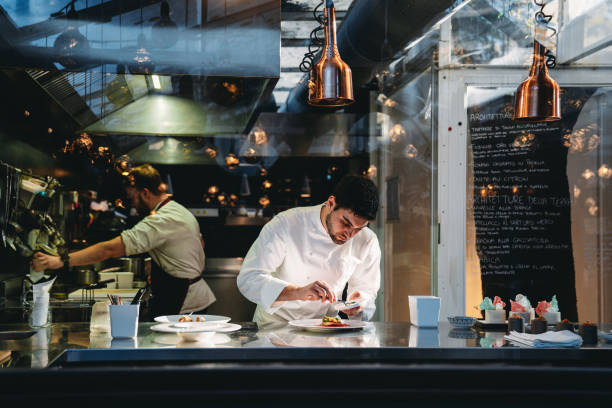
Have you seen how one busy dinner hour can test a restaurant kitchen from every side?
Orders come in fast, customers expect fresh food, and the team has to move with clear timing. In such a moment, kitchen workflow is not just a back-end matter. It becomes the heart of daily restaurant work.
A good kitchen workflow means every person knows what to do, where to stand, when to start, and how to pass food forward. It keeps the kitchen calm, clean, and well-organised. From the first order to the final plate, each step feels more natural when the system is clear.
A Clear Workflow Keeps The Kitchen Moving
When a kitchen has a clear flow, daily work becomes much easier for everyone.
Why Order Clarity Matters
In a restaurant, one small detail can change the whole plate. For example, one customer may ask for less spice, another may ask for no onion, and another may want extra chutney. If these notes reach the kitchen clearly, the team can prepare each order with care.
This is where POS for Restaurants plays a useful role. It helps the front team enter orders in a clean format so the kitchen can read them properly. The goal is simple: the order should move from the counter to the kitchen without confusion.
Better Timing Means Better Food
Good food is not only about taste. Timing also matters a lot.
How Timing Supports Fresh Plates
In many restaurants, one plate has many parts. A thali may need dal, sabzi, rice, roti, salad, and a sweet. A burger order may need fries and a drink. If one item is ready too early and another item takes more time, the plate may not feel balanced.
A strong kitchen workflow helps the team prepare items in the right order. The staff can see which order came first, which dish needs more time, and which item is almost ready. This keeps the food fresh and well-timed.
This is also where kitchen display system hardware can support the kitchen team. It shows orders on a screen so chefs can follow the queue in a clean way. Instead of paper slips getting mixed up, the team can see what needs attention first.
Teamwork Becomes Easier
A restaurant kitchen works best when the team moves like one unit.
How Roles Make Work Simple
In a busy kitchen, every team member has a clear job. One person may handle starters, another may manage main dishes, another may pack takeaway orders, and another may check the final plate. When roles are clear, the team works with better focus.
Good workflow also helps new staff learn faster. They can understand the order path, station work, and service steps without feeling lost. Senior staff can guide them with simple instructions, and the full team can work with a shared rhythm.
This also builds respect inside the kitchen. When people know their roles and trust each other, the mood becomes better. A happy kitchen often sends out better food because the team is calm and active.
Clean Layout Saves Time
A well-planned kitchen layout makes work smooth in a very practical way.
Why Movement Matters
Think about a cook who has to walk from one corner to another again and again just to get basic items. That takes time and energy. Now think about a kitchen where ingredients, tools, plates, and packing items are kept near the right stations. Work becomes faster and easier.
Good workflow looks at movement. The team should be able to take ingredients, cook food, plate it, and send it out with fewer steps. This is simple logic, but it makes a big difference during lunch and dinner rush.
A clean layout also helps the kitchen stay neat. When every item has a fixed place, the team can find things quickly. It also supports better hygiene because cleaning becomes part of the regular flow.
Technology Supports Human Skill
Technology does not replace good chefs. It supports them.
How Smart Tools Help Daily Work
Chefs bring taste, skill, and experience. Restaurant tools bring order, speed, and clarity. When both work together, the result feels strong.
For example, a digital order screen can show the dish name, table number, special notes, and order time. The chef can focus on cooking instead of tracking paper slips. The cashier can see the order status. The server can know when the food is ready.
This makes communication softer and clearer. There is less need for shouting across the kitchen. The staff can focus on their own tasks with better attention.
Customer Experience Starts In The Kitchen
Guests may sit outside the kitchen, but their experience starts inside it.
Why Workflow Affects Service
When the kitchen flow is good, food reaches the table on time, the order is correct, and the plate looks fresh. The guest feels cared for. Even a simple meal feels better when it comes with good timing and clean service.
Modern guests also expect quick updates. If they order takeaway, they like to know when the food will be ready. If they are dining in, they enjoy steady service. A clear kitchen workflow helps the restaurant meet these needs in a natural way.
Good workflow also helps the restaurant handle busy hours with confidence. The team can serve more people while keeping quality steady. That is good for customers, staff, and owners.
Managers Get Better Control
A restaurant manager needs to see the full picture.
How Workflow Helps Decision Making
With a clear system, managers can understand which dishes take more time, which hours are busiest, and where the team needs support. This helps them plan staff, prep work, and stock in a better way.
For example, if evening snack orders are high, the manager can keep more prep ready before peak time. If weekend family orders are common, the kitchen can plan larger batches of popular items. These small planning steps make daily work feel lighter.
Good workflow also helps in training. The manager can create simple steps for order taking, cooking, packing, and serving. When the process is easy to follow, the team can give steady service every day.
Final Thoughts
Kitchen workflow matters more than ever because restaurants now handle many types of orders at the same time. A strong workflow helps the team stay clear, quick, and confident. It supports better timing, better teamwork, and better customer service.
At the end of the day, a restaurant kitchen is like a busy home kitchen during a family function, just with more orders and more speed. When everyone knows the plan, food comes out nicely, people work in a better mood, and guests leave with a happy feeling. That is why modern restaurants should treat kitchen workflow as one of the most important parts of daily success.