
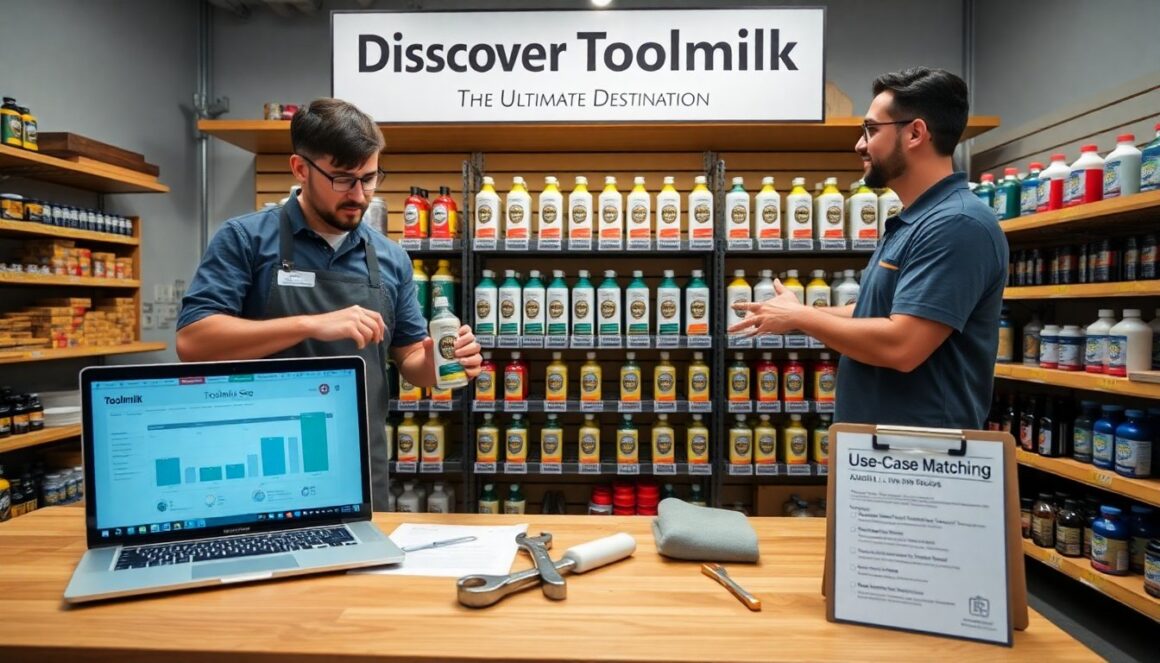
The ultimate destination for discovering toolmilk helps readers find clear information fast. This guide explains what toolmilk is, who uses it, and how to choose the best product. It shows where to buy toolmilk and how to keep it working longer. The text stays practical and direct so readers can act quickly.
Key Takeaways
- Toolmilk is a specialized lubricant and cleaner for hand and power tools that improves performance and reduces wear.
- Choose the right toolmilk by matching its formula to your tool’s material and use case, such as wood, metal, or electronics.
- Check key specs like viscosity, evaporation rate, and corrosion protection to find the best toolmilk for your needs.
- Purchase toolmilk from specialist stores, hardware chains, or trusted online marketplaces to ensure quality and support.
- Proper storage and application of toolmilk, including shaking before use and wiping excess, extends tool life and maintains effectiveness.
- Routine reapplication and safe disposal of used materials are essential for maximizing toolmilk benefits and safety.
Discover Toolmilk: What It Is And Who It’s For
Toolmilk refers to a tool accessory that mixes lubricant and cleaning agents for hand and power tools. It reduces wear and eases maintenance. Manufacturers sell toolmilk in liquid and aerosol forms. Woodworkers, mechanics, and hobbyists use toolmilk most often. They choose toolmilk when they want cleaner parts and smoother operation. Shop owners and repair technicians keep toolmilk on hand for quick service tasks. Users should read labels to match the toolmilk formula to metal, wood, or plastic parts.
Why Toolmilk Stands Out: Benefits And Unique Features
Toolmilk lubricates and cleans in one application. It cuts friction and removes grime at the same time. Some formulas resist rust and repel moisture after application. Others leave a thin film that reduces squeak and heat. Toolmilk often sprays evenly and soaks into tight joints. Many formulas avoid heavy residues that attract dirt. Users notice smoother tool action and longer service intervals. The best toolmilk balances protection, drying time, and residue levels for each use case.
How To Choose The Right Toolmilk Product
Buy toolmilk that fits the main material and the task. Read the product label for compatibility and safety instructions. Check user reviews for real-world performance. Compare price per fluid ounce instead of package size. Prefer toolmilk with clear application guidance and known brand testing. Avoid products that lack ingredient transparency. If the user plans frequent use, pick a low-odour, fast-dry formula. For storage, choose sealed packaging and note shelf-life on the label.
Key Specs To Compare
Check viscosity, evaporation rate, and corrosion protection ratings. Viscosity tells how well the toolmilk coats moving parts. Evaporation rate affects dry time and tack. Corrosion protection shows how long metal stays safe after application. Look for non-conductive labels for electrical work. Note temperature range for use and storage. Verify VOC content if the user works indoors. Compare safety data sheets for hazard information and first-aid steps.
Use-Case Matching Checklist
Match the toolmilk to the user’s job before buying. For woodworking, choose a low-residue formula that will not stain. For automotive use, pick a high-penetration type for rusted fittings. For electronics, select non-conductive and low-VOC options. For heavy shop use, choose longer-lasting protection with anti-wear additives. For outdoor equipment, select water-repellent formulas. Test a small amount on a hidden area first to confirm compatibility.
Where To Find Toolmilk: Best Online And Local Sources
Buy toolmilk from specialist tool stores, hardware chains, and online marketplaces. Specialist stores often stock professional formulas and staff can give practical advice. Hardware chains offer mainstream options and easy returns. Online marketplaces have wide selections and user reviews that reveal common issues. Check manufacturer websites for certified dealers and product lists. Local repair shops sometimes sell small bottles of toolmilk and show application tips. Compare shipping times and return policies before ordering toolmilk online.
Buying And Maintenance Tips For Longevity
Store toolmilk in a cool, dry place and keep caps sealed. Shake or mix per label directions before use. Apply sparingly and wipe excess with a clean cloth. Reapply after heavy use or after cleaning parts with solvent. Dispose of used rags safely to avoid fire risk. Keep an inventory and rotate stock older first. If the user sees cloudiness or smell change, discard the product. Follow manufacturer maintenance schedules and record applications to track tool performance.