
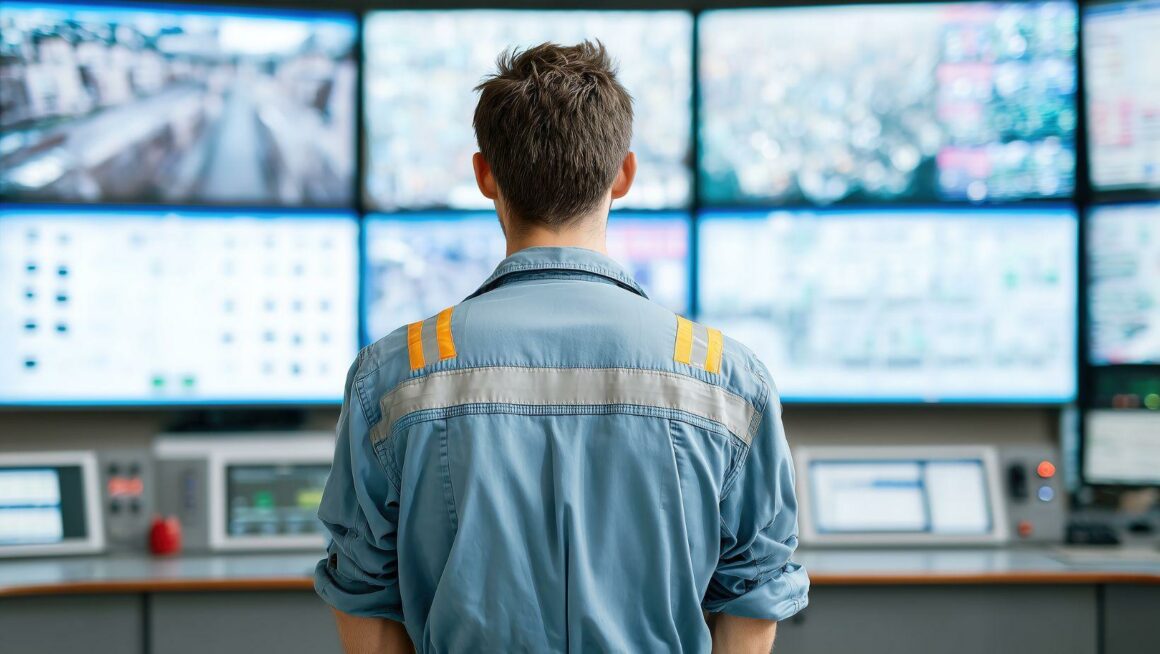
The rise of hybrid work has fundamentally changed how companies manage productivity, accountability, and trust. With employees splitting time between the office and remote environments, organizations increasingly rely onEmployee monitoring software to maintain visibility without sacrificing flexibility. However, not all monitoring approaches are equal.
Two of the most debated methods are screen monitoring and activity monitoring. While both aim to provide insights into employee performance, they differ significantly in execution, ethics, and impact on team morale. Understanding these differences is critical for modern hybrid teams.
Understanding Screen Monitoring
Screen monitoring involves capturing screenshots, live screen views, or screen recordings of an employee’s computer during work hours. This method offers direct visibility into what is happening on an employee’s device at any given moment.
From a managerial perspective, screen monitoring can feel reassuring. It allows supervisors to verify task execution, detect misuse of company resources, and investigate compliance issues. In regulated industries or roles dealing with sensitive data, this level of oversight can seem necessary.
However, screen monitoring is also the most intrusive form of Employee monitoring software. Constant or frequent screenshots may create a sense of surveillance rather than support. Employees may feel watched instead of trusted, which can erode morale and encourage surface-level productivity—appearing busy rather than working effectively.
What Is Activity Monitoring?
Activity monitoring focuses on behavioral and performance metrics rather than visual surveillance. This includes tracking application usage, active vs. idle time, task completion, keystroke patterns (without content capture), and productivity trends over time.
Unlike screen monitoring, activity monitoring emphasizes outcomes and work patterns instead of moment-to-moment observation. It helps managers understand how work is structured, where time is spent, and which tools contribute to or hinder productivity.
Modern Employee monitoring software increasingly favors activity-based data because it aligns better with results-oriented work models and respects employee autonomy.
Hybrid Teams and the Trust Equation
Hybrid work requires a delicate balance between visibility and trust. Screen monitoring may work in short-term scenarios such as onboarding, training, or investigating specific issues. But as a default strategy, it often clashes with the autonomy hybrid employees expect.
Activity monitoring, on the other hand, supports asynchronous work. It allows employees to manage their schedules while still providing managers with meaningful insights into workload distribution and productivity patterns.
In hybrid teams, trust is built not by watching every click, but by clearly defining expectations and measuring progress against goals. Employee monitoring software that prioritizes activity data over screen capture reinforces this trust-based model.
Privacy, Compliance, and Employee Perception
Privacy concerns are a major factor when choosing monitoring tools. Screen monitoring raises legal and ethical questions, especially in regions with strict data protection laws. Employees working from home may feel their personal space is being invaded if screens are captured indiscriminately.
Activity monitoring generally presents fewer privacy risks when implemented transparently. When employees understand what data is collected and how it is used, monitoring becomes a productivity aid rather than a threat.
Clear communication and consent are essential regardless of the method. The best Employee monitoring software includes configurable settings, anonymized reporting, and privacy-first features that adapt to local regulations.
Which Approach Fits Modern Hybrid Teams?
For most hybrid organizations, activity monitoring is the more sustainable choice. It provides strategic insights, supports performance management, and minimizes resistance from employees. Screen monitoring can still play a role, but it should be limited, purposeful, and clearly justified.
Ultimately, the most effective Employee monitoring software is not the one that watches the most—but the one that helps teams work better, smarter, and with mutual trust.
Conclusion
As hybrid work becomes the norm rather than the exception, organizations must rethink how they measure productivity and accountability. The choice between screen monitoring and activity monitoring is not just a technical decision—it reflects company culture, leadership style, and the level of trust placed in employees.
For most modern hybrid teams, activity-based Employee monitoring software offers a healthier and more effective approach. It delivers meaningful insights into work patterns and performance while respecting employee autonomy and privacy. Screen monitoring can still be useful in specific situations, such as onboarding or compliance audits, but relying on it as a primary strategy often leads to resistance and disengagement.
Ultimately, the most successful organizations use monitoring as a tool for improvement, not control. When Employee monitoring software is implemented transparently and aligned with clear goals, it supports productivity, strengthens trust, and enables hybrid teams to perform at their best.
FAQ: Screen Monitoring and Activity Monitoring in Hybrid Teams
What is the main difference between screen monitoring and activity monitoring?
Screen monitoring captures visual data such as screenshots or live screen views, while activity monitoring tracks behavioral metrics like application usage, active time, and productivity trends. Activity monitoring focuses more on outcomes rather than constant observation.
Is screen monitoring legal for remote and hybrid employees?
Legality depends on local labor and data protection laws. In many regions, employers must inform employees and obtain consent. Employee monitoring software with configurable privacy settings helps organizations stay compliant while reducing legal risks.
Which monitoring method is better for employee trust?
Activity monitoring generally builds more trust because it measures work patterns without invading personal space. Screen monitoring, if overused, can feel intrusive and negatively affect morale.