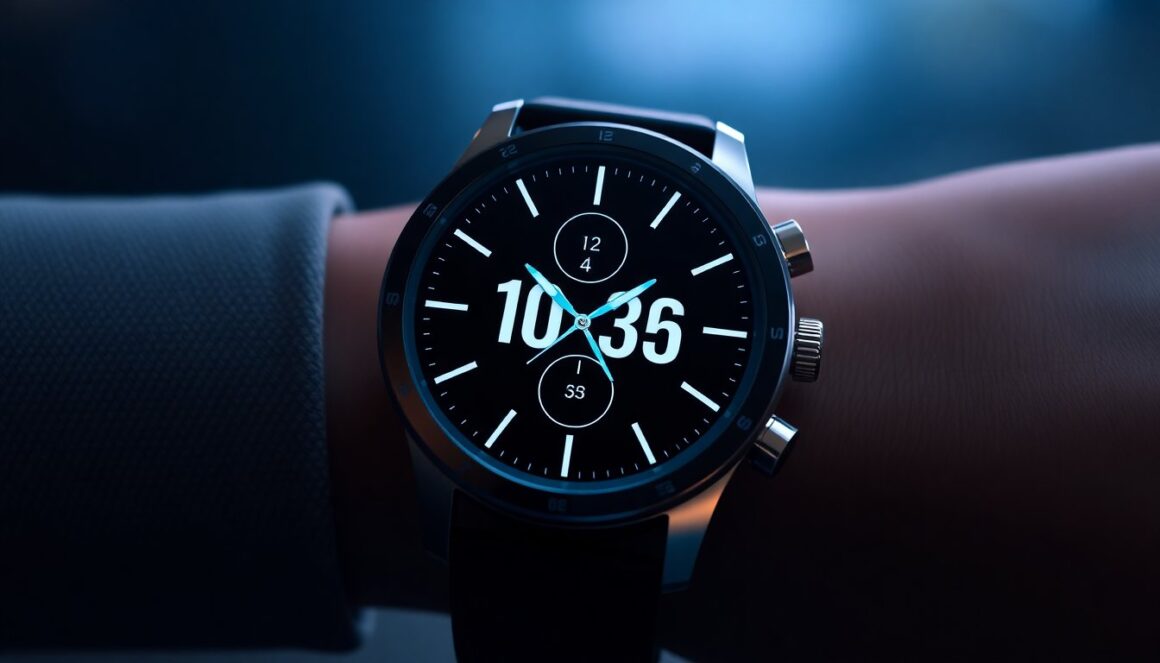

Wearable tech toolmilk gives caregivers simple, continuous milk monitoring. It tracks milk temperature, volume, and feeding timing with small sensors. It sends clear alerts to a phone or hub. This guide explains who should use wearable tech toolmilk, which features matter, and how the system works. It also shows common real-world uses and benefits for parents, nurses, and daycare staff.
Key Takeaways
- Wearable tech toolmilk devices provide continuous milk monitoring by tracking temperature, volume, and feeding times to ensure safety and reduce waste.
- Accurate sensors with features like Bluetooth connectivity, water resistance, and food-safe materials are essential when choosing wearable tech toolmilk for reliable performance.
- The system uses mobile apps to send real-time alerts about milk conditions, helping caregivers quickly address temperature issues or missed feeds.
- Caregivers such as parents, nurses, daycare staff, and milk banks use wearable tech toolmilk to maintain feeding records, prevent errors, and improve operational efficiency.
- Battery life and durability are important considerations; many devices last weeks to months and feature easy cleaning options for daily use.
- Wearable tech toolmilk enhances confidence and reduces feeding mixups by providing a clear, automated data trail accessible via integrated apps.
What Is Toolmilk And Who Should Use It?
Toolmilk describes a class of wearable devices that monitor milk storage and feeding in real time. Caregivers attach a compact sensor to bottles, bags, or storage containers. The device measures temperature, movement, and time. It then sends data to an app. Parents use wearable tech toolmilk to reduce spoilage and track feeds. Nurses use it to log feed events and prevent dosing errors. Daycare staff use it to manage multiple bottles and share records with parents. Small clinics and milk banks can use the devices to maintain safety records and meet basic compliance.
Key Features And Hardware Specs To Evaluate
Buyers should compare sensors, connectivity, and build quality. Look for accurate temperature sensors with at least ±0.5°C accuracy. Check for volume or tilt detection if count tracking matters. Confirm Bluetooth Low Energy and optional Wi‑Fi for range. Seek an IP rating of IP67 or higher for water resistance. Prioritize food‑safe materials like medical‑grade silicone and BPA‑free plastics. Note device size and attachment method: clamps and adhesive mounts suit different bottles. Review firmware update support and data export options. Verify privacy policies and where the wearable tech toolmilk stores data. Finally, compare price, warranty, and third‑party integrations with baby monitors or clinic systems.
How Toolmilk Works: Sensors, Data Flow, And Connectivity
Toolmilk pairs small sensors with a mobile app to record milk metrics. The sensors collect raw signals and forward them to the phone or a gateway. The app logs events, shows trends, and sends alerts. The system uses local processing for immediate alarms and cloud services for long‑term storage. Wearable tech toolmilk designs prioritize low latency for safety messages and secure channels for health data.
— Sensors And What They Measure
Temperature sensors read milk temperature every few seconds. Accelerometers detect bottle motion and feeding starts. Capacitive or tilt sensors estimate remaining volume. Time stamps record feed duration and intervals. Some models add proximity sensors to detect attachment or removal. The devices calibrate on first use and may adjust thresholds for fridge or room conditions. These readings let caregivers confirm milk safety and feed timing without manual checks.
— Data Processing, App Integration, And Alerts
Sensors transmit data via Bluetooth to the app. The app validates and cleans the data, then applies rules for alerts. The app sends push notifications for out‑of‑range temperature, long storage times, or missed feeds. Caregivers can set custom thresholds and share access with family or staff. The app may export CSV logs or integrate with childcare platforms. Clinics can sync logs to electronic records. Wearable tech toolmilk focuses alerts on clear, actionable items to reduce alarm fatigue.
— Battery Life, Charging, And Durability Considerations
Battery life varies by sample rate and radio use. Low‑power devices often last one to three months on a small coin cell. Active Bluetooth reporting can reduce life to days or weeks. Rechargeable models use USB‑C and return to full charge in one to two hours. Check replacement battery availability for long term use. Look for durable seals and drop resistance for daily handling. Confirm cleaning instructions: many sensors detach for washing. Prioritize models that balance light weight with sturdy construction when choosing wearable tech toolmilk devices.
Real-World Use Cases And Practical Benefits
Parents use wearable tech toolmilk to avoid warming or discarding milk incorrectly. The device alerts them when milk falls outside safe temperature ranges. Nurses use the devices to log feeds in busy wards and avoid manual charting. Daycares assign sensors to each child to ensure correct bottle rotation and share automated reports with parents. Milk banks use the logs to document storage history during transport and donation. The practical benefits include reduced waste, faster incident response, and clearer records. Teams report fewer feeding mixups and improved confidence when wearable tech toolmilk provides a visible data trail.